

Setúbal
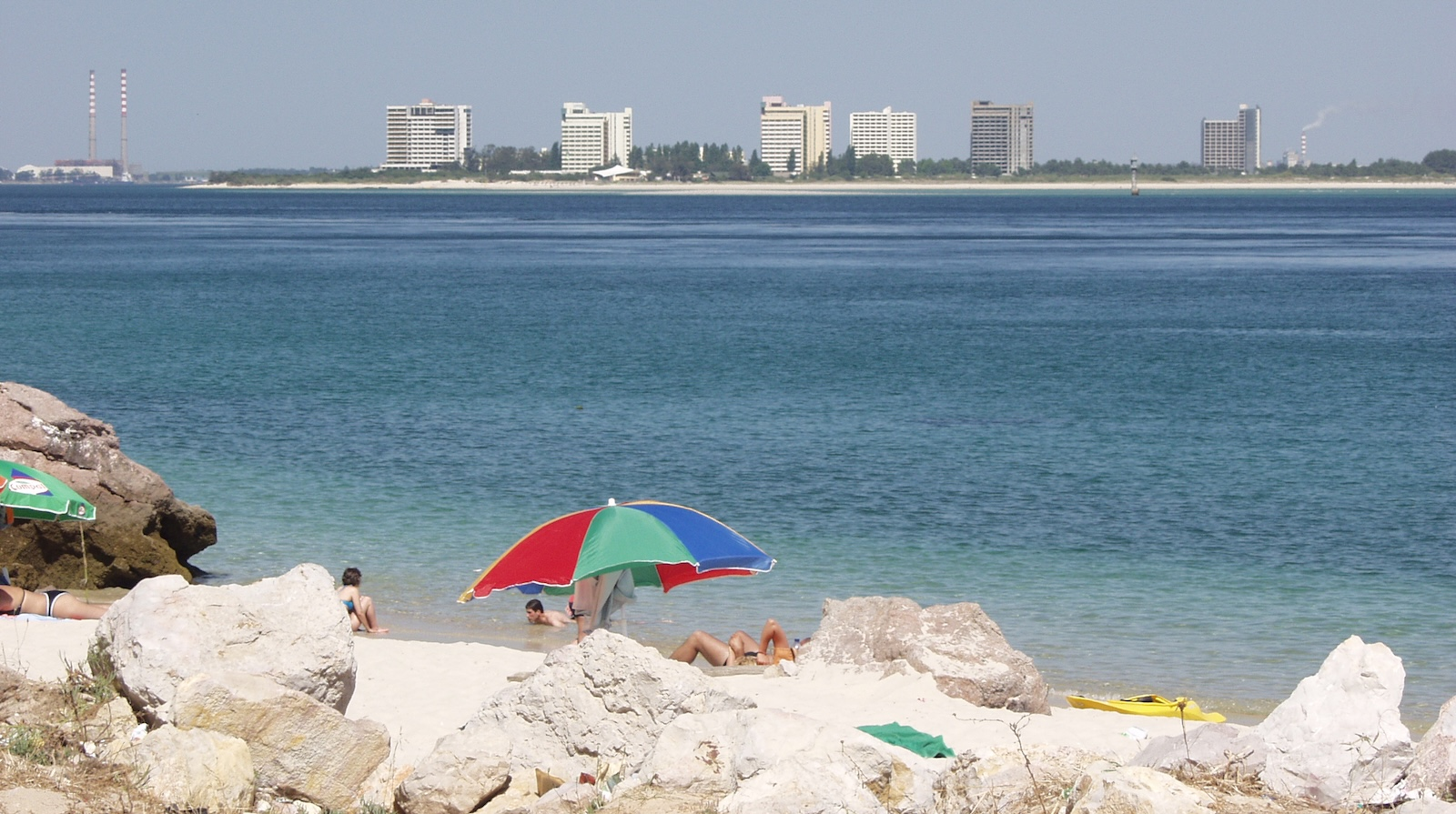
Setúbal is a Portuguese city and the capital of the District of Setúbal and is part of the Lisbon Metropolitan Area. It covers approximately an area of 51.49 km2 and has 90,396 inhabitants (considering the entire area and population of the parishes of Setúbal (São Julião, Nossa Senhora da Anunciada, and Santa Maria da Graça) and São Sebastião (Setúbal))[1] in 2021, and therefore a population density of 1,755 inhabitants per km2, making it the 9th largest city in the country.
It is the seat of the municipality of Setúbal[2], which spans 230.33 km2, with 123,519 inhabitants[1] in 2021 and a population density of 536 inhabitants per km2, divided into five parishes.[3] The municipality is bordered to the west by the municipality of Sesimbra, to the northwest by the municipality of Barreiro, to the north and east by the municipality of Palmela and to the south by the Sado Estuary.
The Troia Peninsula, belonging to the municipality of Grândola, is located opposite the city of Setúbal, between the Sado Estuary and the coast of the Atlantic Ocean.
SOURCE: Wikipedia
Setúbal: The Treasure of the Portuguese Coast
Introduction
Nestled between the blue of the Atlantic and the green of the Serra da Arrábida, Setúbal is a destination that enchants with the diversity of its landscapes and the authenticity of its culture. Known for its paradisiacal beaches, seafood cuisine, and the famous Moscatel de Setúbal (a sweet fortified wine), the city offers a complete experience for those looking to discover the best of Portugal.
A City with Centuries of History
The history of Setúbal dates back to Antiquity. The region was occupied by Phoenicians, Greeks, Carthaginians, and later by the Romans, who developed important activities related to fishing, salt production, and food preservation. The ancient Roman settlement of Cetóbriga, located on the Troia Peninsula, is the origin of the city's current name.
Over the centuries, Setúbal grew thanks to its strategic position by the River Sado and became one of the most important Portuguese ports. The development of maritime trade, fishing, and canning industries deeply marked the local identity.
What to Visit
Serra da Arrábida
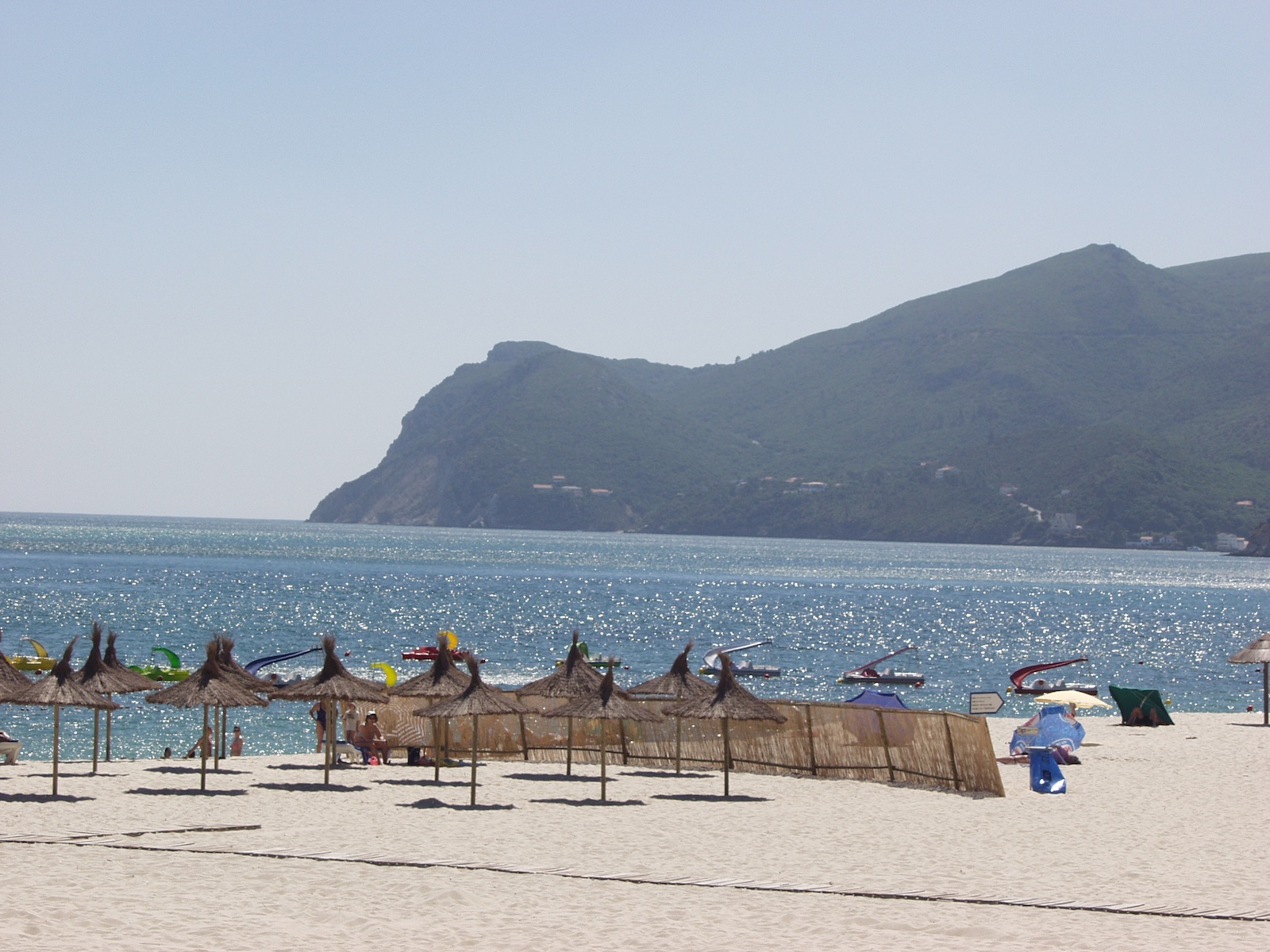
The Arrábida Natural Park is one of the region's greatest symbols. Its mountains covered with Mediterranean vegetation plunge directly into the sea, creating landscapes of rare beauty. The viewpoints offer panoramic views over the coast and the Atlantic.
Dream Beaches
Among the most famous beaches are:
- Portinho da Arrábida
- Praia dos Galapos
- Praia de Galapinhos
- Praia da Figueirinha
The transparent waters and tranquility of these coves make them some of the most beautiful beaches in Europe.
Fort of São Filipe
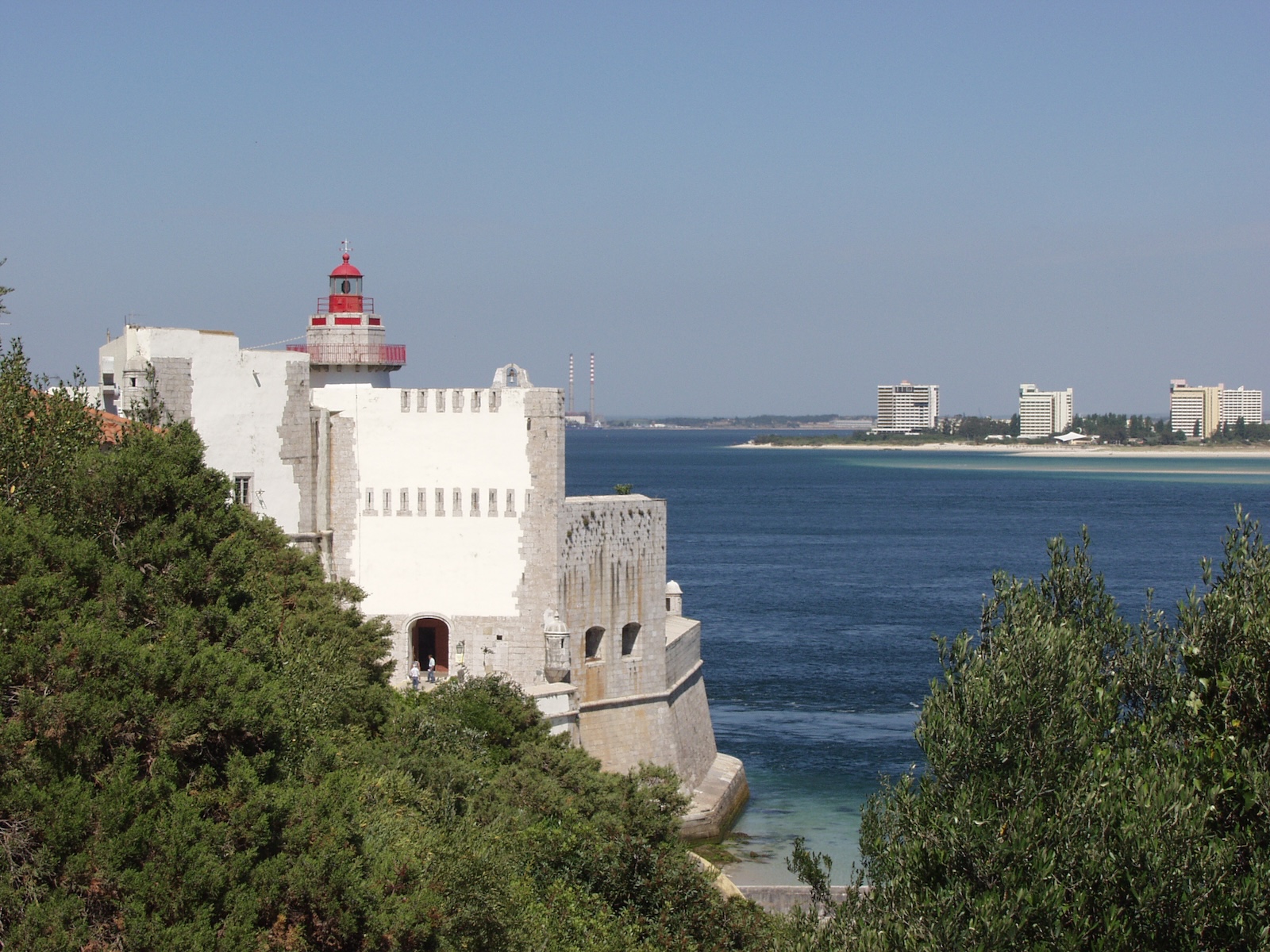
Built in the 16th century on a hill overlooking the city, the Fort of São Filipe offers one of the best panoramic views of Setúbal, the Sado Estuary, and the Troia Peninsula. Inside, it preserves a beautiful chapel adorned with Portuguese tiles.
Convent of Jesus
Considered one of the first works of the Manueline style, the Convent of Jesus is one of the city's most important historical monuments. It currently houses part of the local cultural and artistic heritage.
Historic Center
Strolling through the streets of the historic center allows you to discover centuries-old churches, traditional buildings, lively squares, and the emblematic Avenida Luísa Todi, the heart of Setúbal's urban life.
Nature and Wildlife
The Sado Estuary is one of the few places in Europe where it is possible to observe bottlenose dolphins in the wild all year round. Boat trips are one of the most sought-after activities by visitors and provide an unforgettable experience of contact with nature.
Flavors of Setúbal
Gastronomy is one of the city's greatest attractions. Among the most appreciated specialties are:
- Choco frito (fried cuttlefish)
- Sardinhas assadas (grilled sardines)
- Ostras do Sado (Sado oysters)
- Peixe fresco grelhado (grilled fresh fish)
- Queijo de Azeitão (Azeitão cheese)
- Tortas de Azeitão (Azeitão rolls)
To accompany, nothing better than a glass of Moscatel de Setúbal, one of Portugal's most prestigious fortified wines.
Troia Peninsula
Just a few minutes by ferry, Troia offers kilometers of white sandy beaches, calm waters, and Roman archaeological remains. It is a perfect destination for those wishing to combine relaxation, nature, and history.
Conclusion
Setúbal brings together the best that Portugal has to offer: historical heritage, exceptional natural landscapes, crystal-clear beaches, and internationally recognized gastronomy. Whether for a weekend getaway or an extended holiday, the city provides authentic experiences that remain in the memory of any visitor.
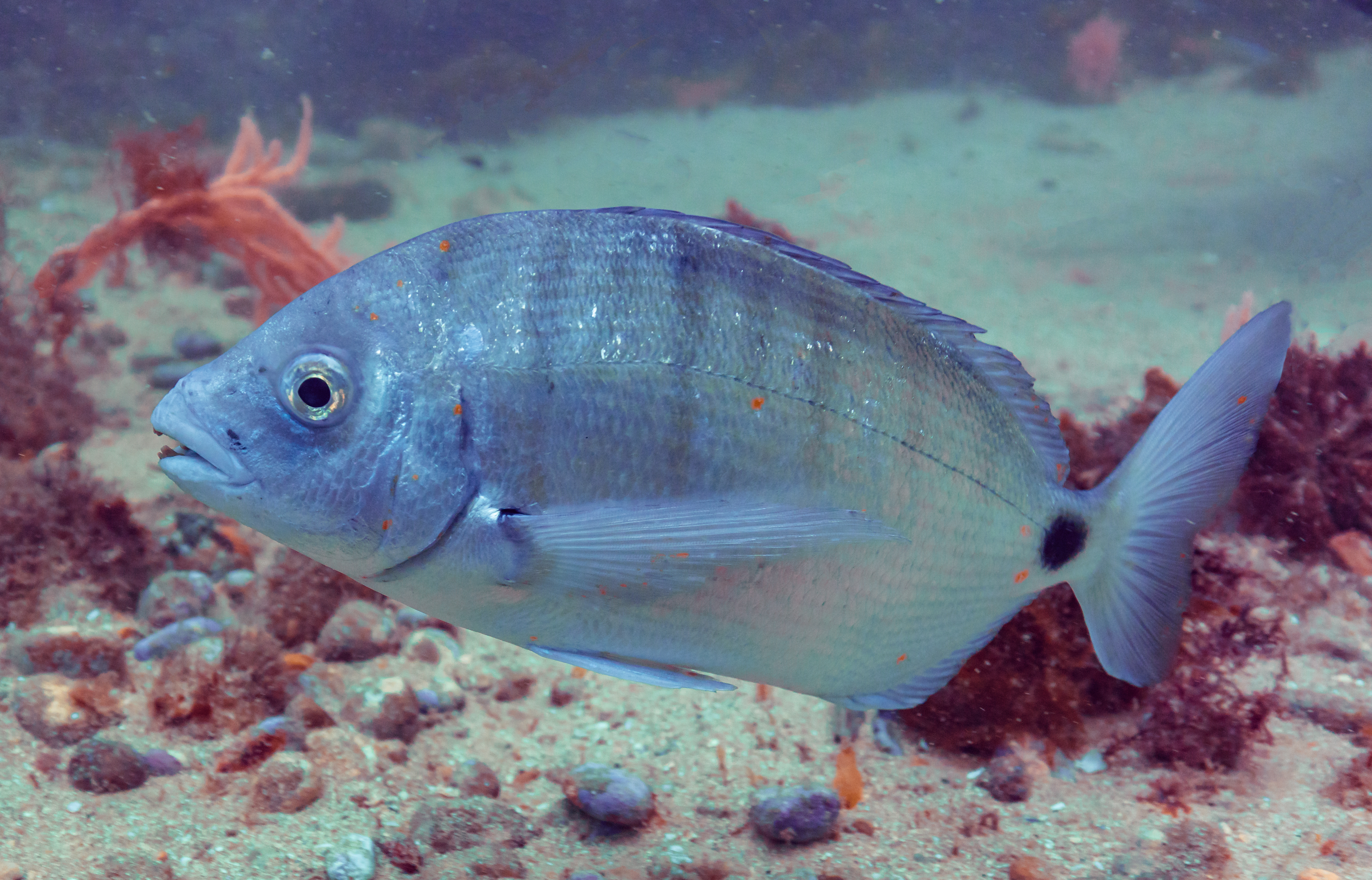
Sargo or White seabream (Diplodus sargus), Arrábida National Park, Portugal. This species of seabream is native to the eastern Atlantic and western Indian Oceans. It is found from the Bay of Biscay southwards to South Africa, including Madeira and the Canary Islands, the Mediterranean and (rarely) t (© Diego Delso) [CC BY-SA 4.0]
Setúbal is a Portuguese city and the capital of the District of Setúbal and is part of the Lisbon Metropolitan Area. It covers approximately an area of 51.49 km2 and has 90,396 inhabitants (considering the entire area and population of the parishes of Setúbal (São Julião, Nossa Senhora da Anunciada, and Santa Maria da Graça) and São Sebastião (Setúbal))[1] in 2021, and therefore a population density of 1,755 inhabitants per km2, making it the 9th largest city in the country.It is the seat of the municipality of Setúbal[2], which spans 230.33 km2, with 123,519 inhabitants[1] in 2021 and a population density of 536 inhabitants per km2, divided into five parishes.[3] The municipality is bordered to the west by the municipality of Sesimbra, to the northwest by the municipality of Barreiro, to the north and east by the municipality of Palmela and to the south by the Sado Estuary.The Troia Peninsula, belonging to the municipality of Grândola, is located opposite the city of Setúbal, between the Sado Estuary and the coast of the Atlantic Ocean.SOURCE: Wikipedia
Views on this article
0 comments
Leave a comment
Your email will not be published. Required fields are marked with (*).
